Andrew Graves (Andy)
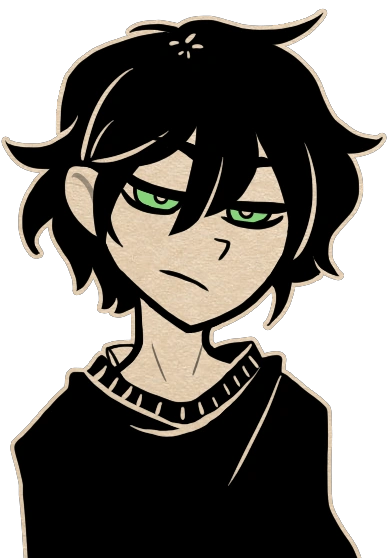
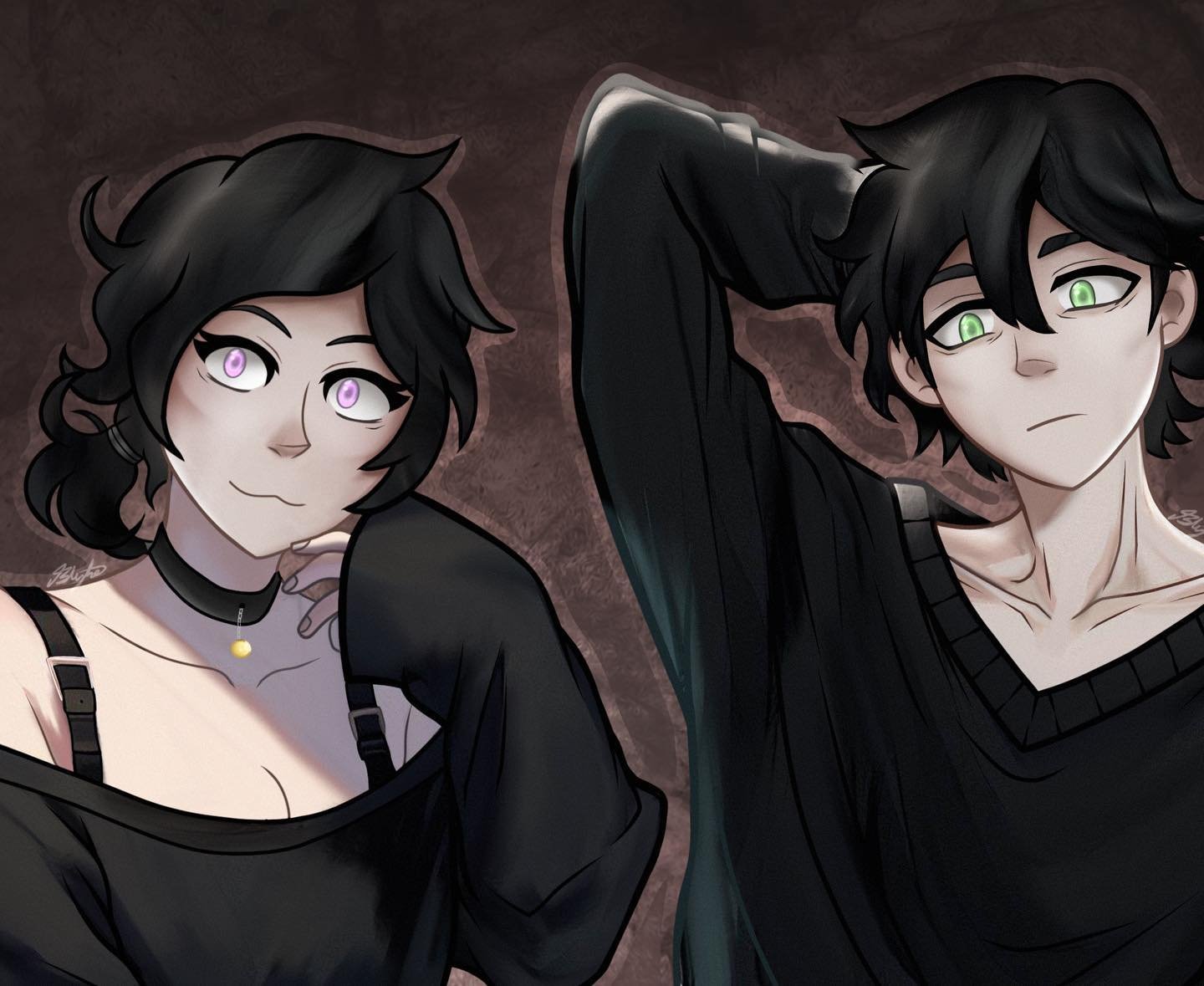
The older brother — cook, cleaner, peacekeeper — who calls this life normal, while Ashley calls him Andy, usually right before talking him into something. Andrew is the sibling who kept the apartment running through three months of lockdown: rationing, soothing, absorbing. His calm reads as kindness until you notice it is also a strategy for never having to refuse his sister anything.
Do not mistake that calm for innocence. Andrew hides a temper and years of guilt — some of it earned in childhood, in a prank involving Ashley's friend Nina that ended in death and never stopped haunting either sibling. Your choices decide the question his whole arc asks: whether he ever stands up to Ashley, and what it costs everyone when he finally does. In Decay, that question gets its ugliest answers; Burial is built on him never asking it at all.
Ashley Graves (Leyley)
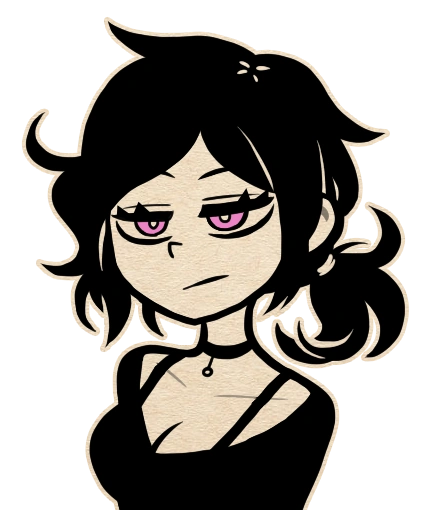
The younger sister — Leyley since childhood, a nickname that stuck the way everything about her sticks — and the engine behind every scheme in the game. Ashley is impulsive, possessive and genuinely funny, and she is reliably the first person in any room to do the worst thing in it. She is also the character the entire audience argues about: monster, or product of the parents who made her?
Both readings have evidence, which is the point. Ashley's cruelty is real, and so is the neglect that built it — parents who favoured, forgot and finally abandoned, leaving her with exactly one person and a death grip on him. Her trust is the game's main switch: it is what decides Burial or Decay at the end of Episode 2, which makes her, mechanically and emotionally, the most important character in the story.

Julia
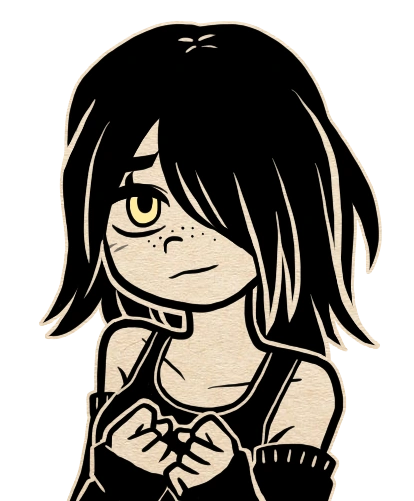
Andrew's girlfriend when the story opens, and his last link to a normal life — a job, a future, a world where people are not trapped, starving or bargaining with demons. Through Episodes 1 and 2 she exists by phone and messages, which is exactly how the siblings' world treats normality: as a voice from somewhere else.
She enters Episode 3: Decay in person, and what happens around her is some of the most debated material in the game. Julia functions as the story's measuring stick — the closer she gets, the more clearly you see what Andrew and Ashley have become, and what their bond does to anyone who steps inside its orbit. Her fate depends on your route and your choices, which is why spoiler-free profiles stop here.
The Demon — Lord Unknown
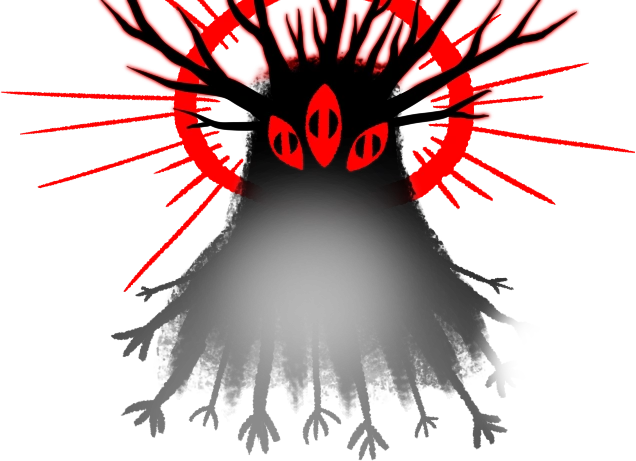
The neighbor's botched ritual summons the demon, and the demon makes the game's defining offer: a trinket that shows the future, in exchange for offerings. Later named Lord Unknown, it is less a jump-scare monster than a creditor — every bargain it strikes returns later, at a higher price, and its visions thread through the story as dream sequences and premonitions that reframe what you have already seen.
How you use the trinket — which visions you act on, which offers you refuse — feeds into the same hidden record that decides routes and shapes endings. Lord Unknown never forces a single choice. It simply prices them, and lets the siblings damn themselves at their own pace, which is the most frightening thing about it.
Mr. and Mrs. Graves — The Parents
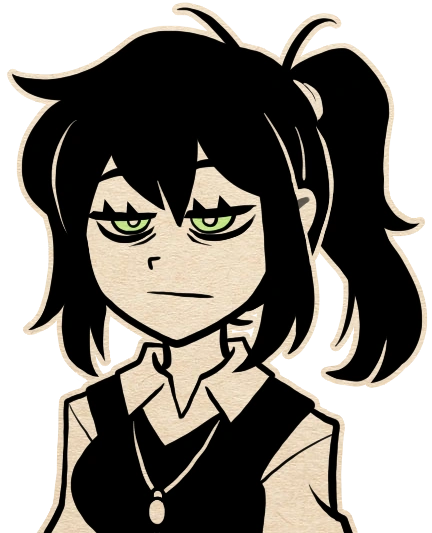
The neglectful parents who left for a 'trip' during the quarantine and never came back are the wound the whole story bleeds from. Their favouritism, their forgetting, and their final abandonment built both siblings: Andrew the appeaser, Ashley the clinger. When they return in Episode 2, the reunion is one of the game's defining sequences — and how you handle the parents there is one of the three areas that genuinely move your route.
The game is careful never to let them become simple explanations. They made the Graves siblings; they did not make every choice the siblings make after. That line — between origin and excuse — is where most community arguments about this cast eventually land.
Nina and the Neighbor Cultist
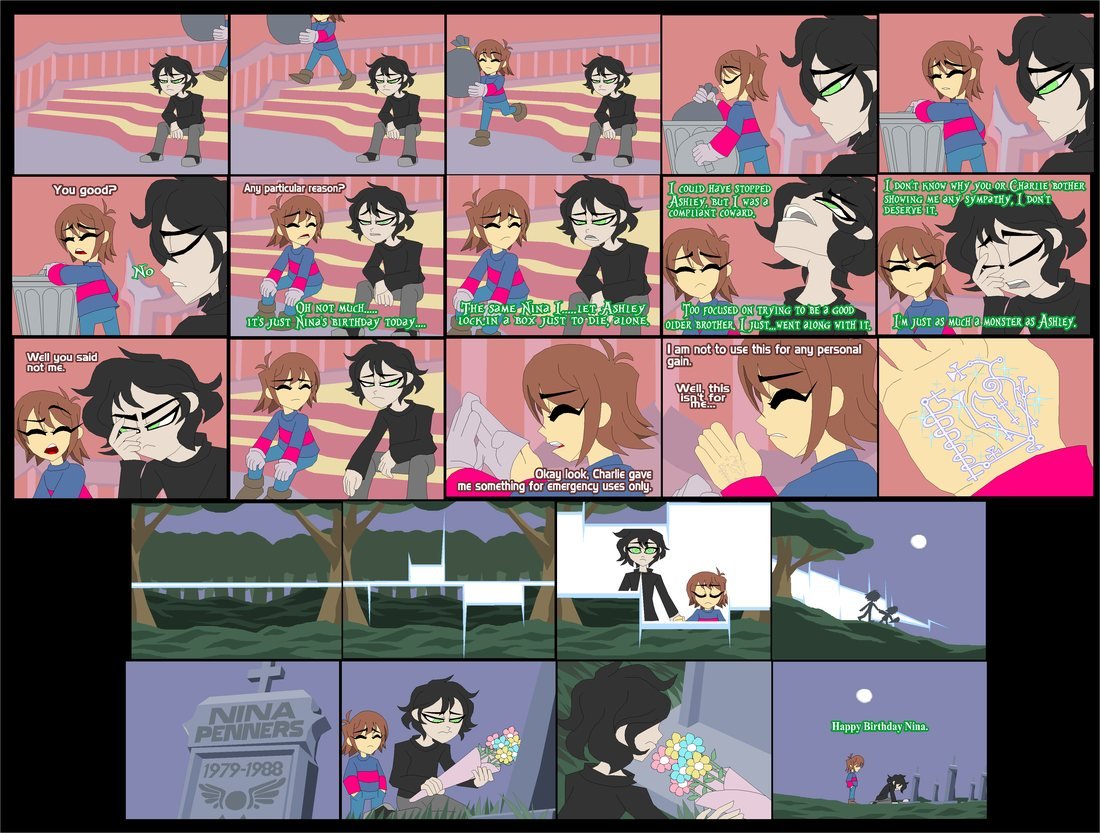
Nina, Ashley's childhood friend, never appears alive — she died in a prank gone wrong that both siblings carry, differently, forever. She is the past tense of the story: proof that the pattern between Andrew and Ashley was lethal long before the lockdown, and the guilt Andrew buries is substantially hers. Flashbacks and dreams give her more presence than most living side characters get.
The neighbor cultist is the opposite bookend — barely known, quickly dead, and the trigger for everything: his botched ritual summons the demon, and his death is the first line the siblings cross together. Between Nina behind them and the cultist in front of them, the cast list becomes a map of what made these two people.
How the Characters Drive the Routes
Relationships are the mechanic. There is no visible morality meter, but the game tracks how the siblings treat each other — and how they treat Julia, their parents and the demon's offers — and collects on that record episodes later. Trusting choices lead to Burial, hostile choices lead to Decay, and every side character exists to test whichever bond you have built.
That is why two players can finish the same episode with completely different final scenes and both be telling the truth about 'what happens'. The cast is small because it is a machine: two leads, one outsider, one creditor, two absences — and every ending the game has is just that machine, run honestly. The characters guide goes deeper on reading each character's signals.