
What the Game Establishes
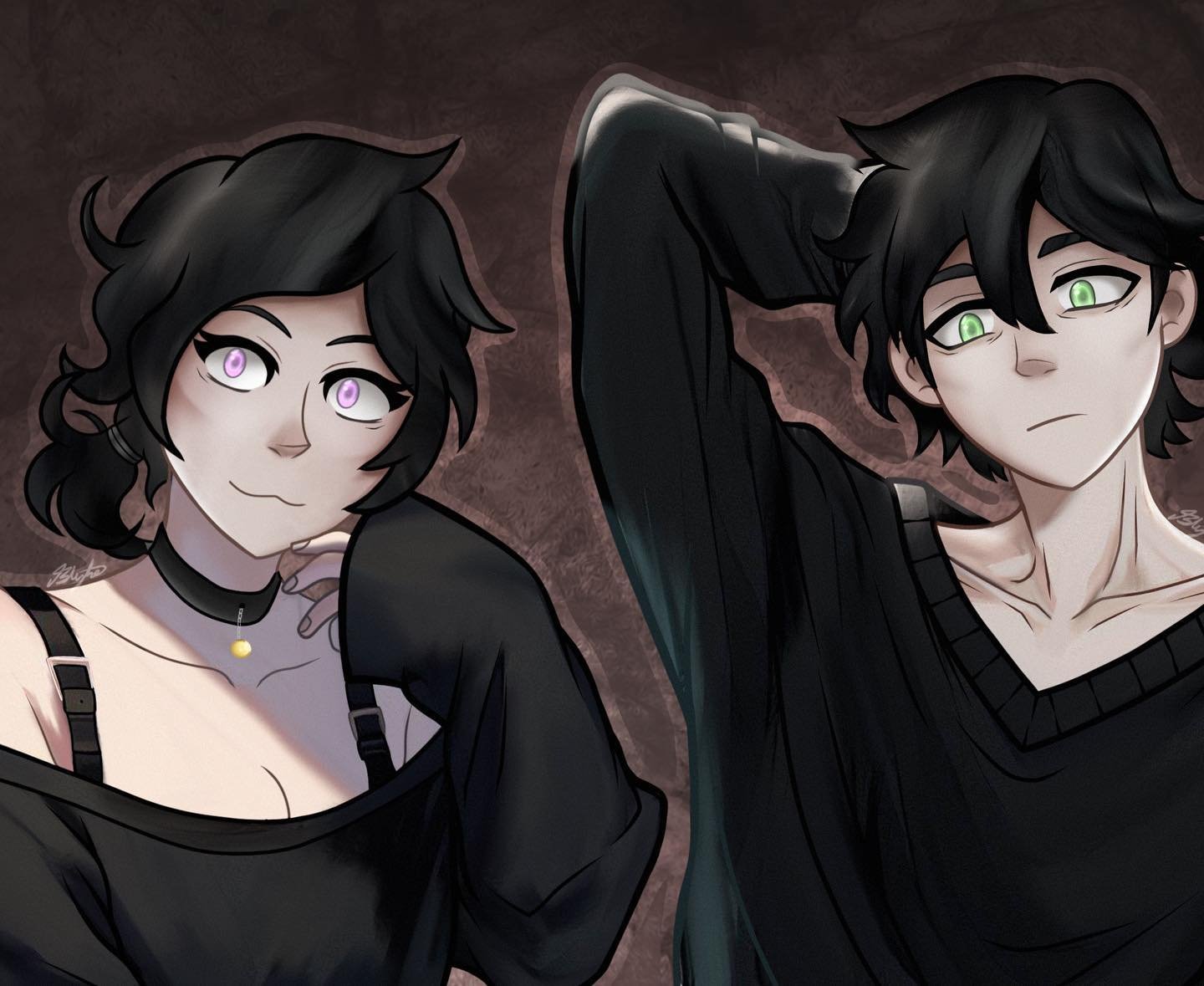
The Graves family, as the game presents it: Mr. and Mrs. Graves, their son Andrew, and their daughter Ashley, raised in the same home, sharing the same childhood — the same favouritism, the same neglect, the same friend, Nina, whose death in a childhood prank gone wrong sits underneath both of their adult lives. The apartment they are trapped in as adults is theirs; the parents who left during the quarantine and never returned are theirs, together.
Nothing in any episode qualifies the relationship. They are not half-siblings, step-siblings, adopted, 'like siblings' or revealed to be anything else in a late twist — Decay is fully released and contains no such turn, and the community's occasional theories otherwise have never had a line of text to stand on. The game wants the fact plain, early and unarguable, because everything it does next depends on your not being able to soften it.
Why Players Keep Asking
Partly, new arrivals come from the game's viral summaries, which describe 'a couple trapped in an apartment' and let the listener assume. Partly, the game's own marketing leans on the two-hander dynamic without leading with the word 'siblings'. And partly — honestly — the question is a small act of hope: players who meet the intensity of the bond early go looking for the version of the story where it is something else.
It is not something else, and the game knows exactly what it is doing by refusing the exit. The discomfort the question expresses is the intended first reaction, the one the whole design then spends ten hours interrogating: what produced this, who failed them first, and what exactly are you watching two people become.
The Parents: The Mechanism Underneath
The story's own answer to 'how did they get like this' starts with Mr. and Mrs. Graves. The game shows favouritism, inattention and a household where Ashley in particular was an afterthought — and then, during the quarantine, abandonment: parents who left and did not come back, leaving two young adults to starve in a locked apartment for three months. Andrew filled the vacuum by caretaking; Ashley filled it by clinging; the bond the game examines is what grew in a space where it was the only relationship either of them was allowed to keep.
Their Episode 2 return is written as a reckoning, not a reconciliation, and how you handle the parents there feeds your route — the game literally scores what you do with the origin of the damage. Our characters page profiles each parent alongside the rest of the cast.
Why It Matters to the Story's Design
Make them siblings and every system sharpens. The trust mechanic stops being romance-game affection and becomes the question of what family loyalty costs when family is the wound. Burial — total mutual loyalty — and Decay — the same loyalty rotting — are both answers only siblings could give each other with this history: strangers can leave; these two demonstrably cannot, and the game's horror lives in that cannot.
It is also why the writing frames the bond as horror rather than romance, a distinction our mature content page sets out in full. The game is a story about neglect manufacturing a closed system of two people — and the sibling fact is not the scandal of that system. It is its blueprint.
How the Game Stages Their Siblinghood
Watch how the game photographs them, in the painterly sense: shared spaces, shared meals, a domestic choreography built over years — Andrew cooking, Ashley orbiting, both fluent in a private language of nicknames and grievances that no outsider in the story can parse. Julia's scenes ache precisely because she is fluent in none of it. The writing builds siblinghood not from exposition but from routine: these are two people who have been each other's entire household for far longer than the lockdown, and the lockdown merely removed the witnesses.
That staging is why the sibling fact cannot be swapped out without collapsing the design. Give them any other relationship and the routines read as romance or roommates; as siblings, the same routines read as arrested development — a childhood that never ended because no adult ever intervened in it. The horror is not that they are close. It is that closeness is the only thing their upbringing ever installed, and the game simply runs the installation to completion.
The Question Behind the Question
It is worth honouring why the question gets asked with real feeling behind it. Players bond with these two fast — the game is engineered for exactly that, an hour of domestic routine and gallows humour before the floor moves — and discovering the full nature of the bond recontextualises the player's own affection retroactively, which is an uncomfortable gift to receive from a video game. Asking 'are they really siblings' is often a player checking whether the discomfort is required. It is. The game asks for it deliberately, repays it honestly, and — this is the part the question is really reaching for — is worth it anyway, according to the millions who stayed.